
the BCWP
ladder of cognitive challenge
rung 1: recall
students answer "what happened?" they hunt for proof words—specific vocabulary chosen because it matters to the story and stretches their reading.
you can't climb higher without solid ground. recall grounds the student in the actual text. most students skim; we force them to pay attention. when the author writes "julian trudged up the mountain," the word "trudged" reveals his mood. that's a proof word. it proves the student read closely.
they identify key moments and the vocabulary that signals them. they learn that every word choice has a unique feel and every word choice matters.
rung 2: connection
students move beyond single words to understand sequences and structure. "why does this happen before that? what would change if the order flipped?" all stories follow a formula: a hero, a challenge, the overcoming, and the conclusion. this rung helps students identify how authors build stories.
understanding causality and structure. not just "what happened" but "why it had to happen in this order." they own the vocabulary and the logic of how ideas fit together.
they connect ideas, trace how one event leads to another, see the author's logic. they recognize the architecture of storytelling itself.
rung 3: create
students enter the hypothetical. "what if the character made a different choice? what if this situation changed? how would the entire story shift?"
imagination plus analytical thinking. they're redesigning it in their minds, which forces them to understand how every piece affects the whole.
they predict, imagine alternatives, and realize that small changes ripple outward. this is synthesis—seeing how parts create a whole.
rung 4: judgement
students evaluate. "do you agree with what the author did? was this the right choice? why or why not?" they answer philosophical questions dressed as simple story choices—debating free will versus determinism, personal freedom versus control, all while discussing the book they just read.
how you think is more important than what you think. students learn to build arguments, defend positions with evidence, and engage respectfully with opposing views.
they take a stance, find proof from the text, and articulate why the author made each choice. students have different opinions and are encouraged to build on others' arguments or respectfully disagree—always pointing to the book for evidence to support their claim. this is college-level literary discussion happening with middle schoolers.
as you can see, we go far beyond simple reading comprehension, into appreciation of literature, training critical thinking and debate.
our method put simply
read
we build the habit of focused reading. our students learn to spot patterns in stories, making even complex books feel manageable and familiar.
they stop seeing "hard books" and start seeing stories they can handle.
think
we train students to ask "why?" and look for proof. this rigorous mental training ensures they can handle complex ideas without getting overwhelmed.
your child learns to demand evidence and think for themselves.
speak
with only 4 students per class, every child gets the spotlight. they practice speaking with authority and sharing their thoughts with confidence.
the "shy kid" disappears. they learn to own the room when it matters.
today's readers, tomorrow's leaders
by combining focused reading, smart logic, and authoritative speech, we create students who stand out. at BCWP, we don't just teach books—we build confident, persuasive voices for the future.
average students follow the narrative. BCWP students write it.
meet mike
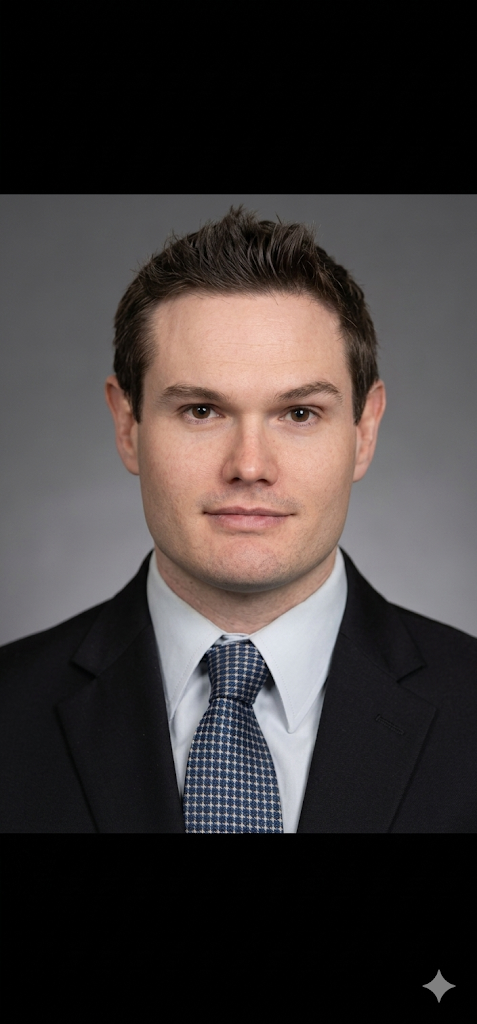
mike barr
- ● Bachelor of Arts in Economics
- ● Master of Education (M.Ed.) with a concentration in TESOL
- ● University of Cambridge CELTA – Certificate in English Language Teaching to Adults
- ● Teaching English and English literature since 2005 — elementary through to masters students
- ● Former Assistant Professor, Dongguk University, Seoul
- ● 15+ years teaching debate, presentation & interview skills at university
- ● Founder of BCWP
"I designed BCWP because I saw too many strong readers who couldn't speak about what they'd read. The BCWP ladder method fixes that through carefully crafted questions — it turns reading into thinking, and thinking into confident speech. The online class is the performance where students demonstrate how deeply they appreciate and understand the book."